Top 10 Internal Components Ranked

Best for: Ideal for gamers wanting high-end performance with stunning visuals.
Pros
Cons

Best for: Great for gamers who want a balance of performance and value in their builds.
Pros
Cons

Best for: Best for gamers seeking powerful graphics without breaking the bank.
Pros
Cons

Best for: Perfect for gamers building a high-performance Intel setup.
Pros
Cons

Best for: Designed for cryptocurrency miners needing a reliable and efficient setup.
Pros
Cons

Best for: Ideal for miners looking for a robust and efficient motherboard for GPU setups.
Pros
Cons

Best for: Great for PC builders needing extra support for heavy graphics cards.
Pros
Cons

Best for: Perfect for users needing basic graphics for everyday computing tasks.
Pros
Cons

Best for: Ideal for PC enthusiasts looking to secure heavy GPUs effectively.
Pros
Cons
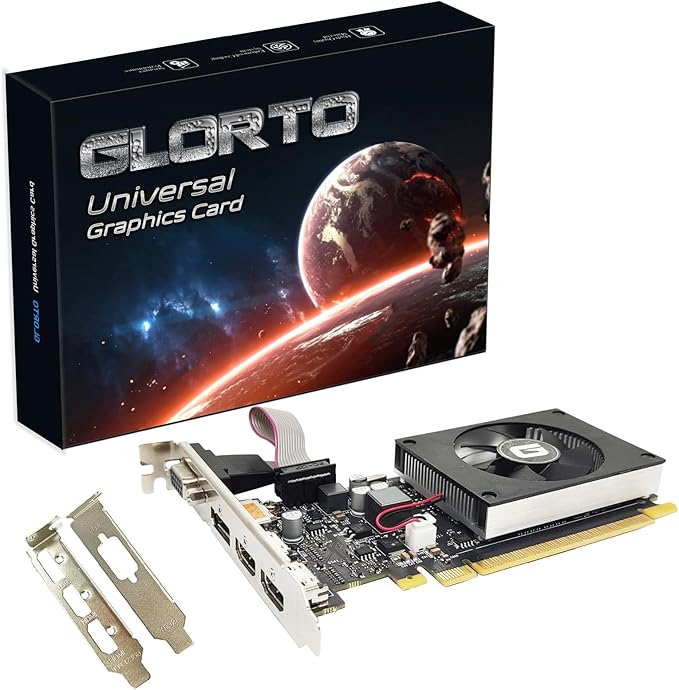
Best for: Best for users seeking a reliable entry-level GPU for casual use.
Pros
Cons
Frequently Asked Questions
What internal PC components should I upgrade first?
Storage is almost always the most impactful first upgrade. Moving from an old spinning hard drive to an NVMe SSD dramatically speeds up boot times, app loading, and file transfers. RAM is the second priority if you regularly run out with your typical workload. GPU upgrades matter most for gaming or video editing. CPU upgrades are usually last since they often require a motherboard change too, making them more costly and disruptive.
Is an NVMe SSD worth it over a SATA SSD?
For most users doing everyday tasks, the real-world difference between SATA SSD and NVMe is less noticeable than the jump from HDD to any SSD. NVMe drives are significantly faster on paper (3,500 MB/s vs 550 MB/s) and that speed becomes obvious when moving large video files or doing sustained reads and writes. For a general-purpose PC, a quality SATA SSD is plenty fast. For video editing, 3D rendering, or professional workloads, NVMe is the better choice.
How do I know if my PC needs more RAM?
Open Task Manager (Ctrl+Shift+Esc) and check the Performance tab while doing your normal tasks. If RAM usage regularly sits above 80-85%, adding more will speed things up noticeably. 8GB is the minimum for Windows 11, but it gets tight with a browser, office apps, and a few tabs open simultaneously. 16GB handles most home and office use comfortably. 32GB is worthwhile for content creation, gaming with streaming, or running virtual machines.
Can I mix RAM brands or speeds in the same PC?
Technically yes, but it is not recommended. Mixing RAM can cause instability, force the system to run all sticks at the lowest speed, or prevent dual-channel mode from activating. Dual-channel memory (two matched sticks) provides noticeably better performance than a single stick or mismatched pair. For best results, buy a matched kit from the same manufacturer. If adding RAM to an existing system, try to match the brand, speed, and timing of what is already installed.