
Our Top Picks

Best for: Ideal for Apple users who want a clutter-free charging solution.
Pros
Cons

Best for: Perfect for fast-paced users needing quick device recharges on the go.
Pros
Cons

Best for: Essential for UK travelers needing to charge devices in Australia.
Pros
Cons
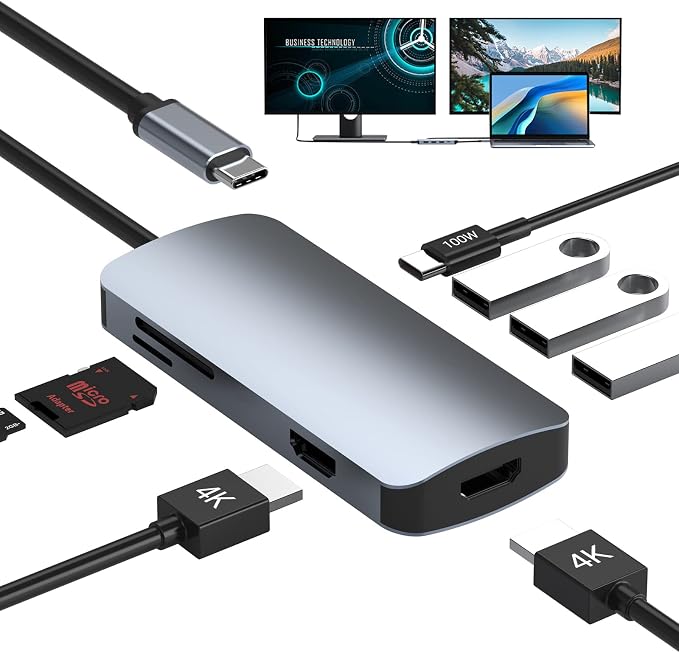
Best for: Great for professionals needing dual monitor setups for enhanced productivity.
Pros
Cons

Best for: Perfect for gamers and professionals needing multiple connection options.
Pros
Cons

Best for: Great for users wanting to connect their devices to high-definition displays.
Pros
Cons

Best for: Ideal for tech enthusiasts who need rapid charging for multiple devices.
Pros
Cons

Best for: A must-have for international travelers needing versatile charging solutions.
Pros
Cons
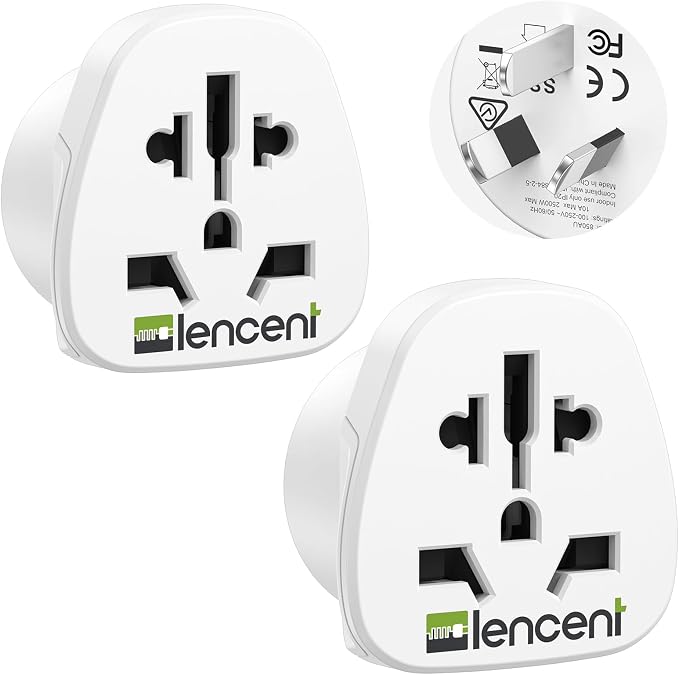
Best for: Essential for travelers bringing electronics to Australia from various regions.
Pros
Cons

Best for: Perfect for tech-savvy users with multiple devices needing fast charging.
Pros
Cons
Frequently Asked Questions
What is the difference between USB-C and USB-A?
USB-A is the traditional rectangular connector found on older computers and chargers. USB-C is the newer oval-shaped connector used on modern laptops, smartphones, and accessories. USB-C supports faster data transfer (up to 40Gbps with Thunderbolt 4), higher power delivery for charging, and can carry video output. Most new devices ship with USB-C, but adapters let you use both types together without replacing all your cables.
Do USB adapters slow down data transfer?
A quality USB adapter rated for the correct standard will not noticeably slow transfers. A USB 3.2 Gen 2 adapter maintains 10Gbps throughput. The risk comes from cheap adapters that are mislabelled or use lower-quality chips, which can bottleneck speeds significantly. Stick to reputable brands like UGREEN or Anker and match the adapter spec to your device's actual port speed.
What USB adapter do I need for a MacBook?
Modern MacBooks use USB-C (Thunderbolt) ports exclusively. You will need a USB-C to USB-A adapter to connect older peripherals like USB mice, flash drives, or external hard drives. For broader connectivity, a USB-C hub that adds HDMI, SD card slots, and multiple USB-A ports covers most needs in one device. Make sure the adapter supports at least USB 3.2 Gen 1 for decent transfer speeds.
Is USB 3.2 faster than USB 3.0?
Yes. USB 3.0 (now called USB 3.2 Gen 1) delivers up to 5Gbps. USB 3.2 Gen 2 doubles that to 10Gbps. USB 3.2 Gen 2x2 reaches 20Gbps using two data lanes simultaneously. For everyday file transfers the difference between 5Gbps and 10Gbps is noticeable when copying large video files. For charging or low-bandwidth peripherals like mice and keyboards, any USB 3.x adapter works fine.