Advertising Disclosure, We may earn a commission on qualifying purchases at no extra cost to you.
Our rankings are created using algorithmic analysis of customer reviews, product data, brand reputation, and popularity trends. When you purchase through our links, we may earn a commission at no additional cost to you. This helps us continue delivering valuable content and recommendations.
💾 Data Storage Guide
Best External Data Storage in 2026
Top-rated microSD cards, portable hard drives, and SD cards on Amazon, ranked for speed, capacity, and value.
By Mathew · Tech ReviewerLast Updated: May 2026Independent · No Paid Placements
In 2026, external data storage has evolved to keep pace with 4K video, large game libraries, and an ever-growing appetite for portable backup solutions. Whether you're expanding your Nintendo Switch 2's game library, backing up photography from a mirrorless camera, or simply adding extra storage to your Android phone, the right card or drive makes a noticeable difference.
We've ranked the top 10 options available on Amazon, covering everything from the blazing SanDisk Extreme PRO 512GB microSDXC down to budget-friendly everyday microSD cards, so you can find the best fit for your needs and budget.
Speed ratings can be confusing. Here's a quick breakdown: UHS-I / Class 10 handles HD video and everyday tasks well. V30 guarantees minimum 30 MB/s write speed for 4K recording. A1/A2 ratings define app launch performance on Android devices. If you're shooting 4K footage, aim for V30 or higher and consider Extreme PRO cards for consistent performance.
2. Capacity: How Much Do You Need?
32–64GB suits casual users for photos, music, and apps. 128GB covers most photographers and video creators. 256–512GB is ideal for extensive game libraries, 4K video archives, or professional photography workflows. Buying more than you need now often saves money versus buying multiple smaller cards later.
3. Form Factor: microSD vs. SD vs. Portable HDD
microSD: For smartphones, tablets, cameras with microSD slots, and Nintendo Switch
Full-size SD: For DSLR and mirrorless cameras, laptops with SD slots
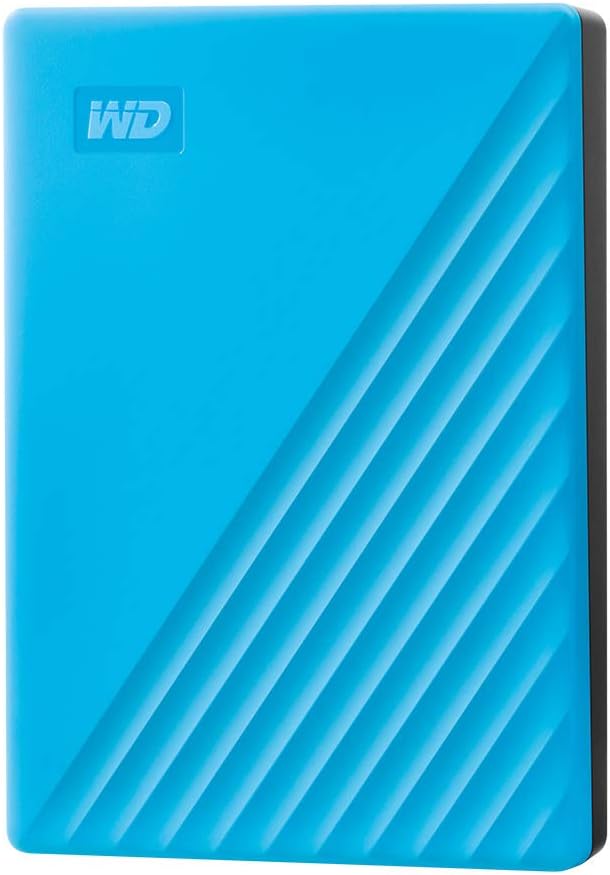
Portable HDD: For large-volume backup of files, photos, and media, plug-and-play with most devices
4. Brand Trust and Warranty
SanDisk (owned by Western Digital) remains the gold standard for flash storage, offering consistent quality, wide availability, and lifetime warranties on many products. Patriot Memory offers solid budget options with decent reliability. For portable HDDs, UnionSine provides good value with USB 3.0 connectivity.
5. Smart Shopping Tips
When buying on Amazon, check that stock is fulfilled by Amazon or a reputable seller to ensure warranty validity. Black Friday sales and Amazon Prime Day consistently offer significant discounts on storage. Always verify compatibility with your specific device before purchasing, especially for Nintendo Switch or camera-specific cards.
Disclaimer: As an Amazon Associate, we earn from qualifying purchases. Prices and availability are accurate at time of writing and subject to change. All product links lead to Amazon.
Frequently Asked Questions
What is the difference between a portable and desktop external drive?
Portable external drives are bus-powered, meaning they draw power from the USB connection and require no separate power cable. They are compact, light, and ideal for taking between locations. Desktop external drives are larger, require a power adapter, and generally offer higher storage capacities at a lower cost per terabyte. For backup use at a fixed workstation, desktop drives make economic sense. For travel, creative professionals, and anyone who needs storage on the move, a portable drive is the practical choice.
How much external storage do I need?
For general document and photo backup, 1-2TB covers most households comfortably. Video creators working with 4K footage should look at 4TB or more, as a single hour of 4K video can occupy 40-100GB depending on the format. If you are using the drive as a primary backup for a full computer, aim for at least 1.5 times the storage capacity of your internal drive. External SSDs are faster but cost more per terabyte, so HDDs remain the better value for large backup archives.
Is cloud storage better than an external hard drive?
Both serve different needs. Cloud storage (Google Drive, iCloud, OneDrive) is accessible from anywhere, protects against physical loss or theft, and updates automatically. External hard drives offer faster access for large files, work without internet, have no ongoing subscription cost, and are not subject to provider outages or account security issues. The best approach for important data is both: follow the 3-2-1 backup rule, keeping three copies of data on two different media types with one stored offsite or in the cloud.
Can an external hard drive fail without warning?
Yes, and this is why using external drives as the sole backup method carries risk. Mechanical HDDs can fail suddenly due to physical shock, head crashes, or electronic component failure. SSDs are more shock-resistant but can also fail unexpectedly due to flash memory wear. Warning signs in HDDs include clicking sounds, slow response, and detection errors. Software like CrystalDiskInfo reads S.M.A.R.T. health data and can alert you to deteriorating drive health before complete failure. Always maintain at least one additional backup copy.