
Top 10 External Storage Picks Ranked

Best for: Ideal for gamers needing extra space for PS4 or Xbox.
Pros
Cons

Best for: Great for students needing portable backup for class projects.
Pros
Cons
Best for: Perfect for casual users wanting extra storage for music and photos.
Pros
Cons

Best for: Best for outdoor enthusiasts needing rugged storage while traveling.
Pros
Cons

Best for: Ideal for creators needing fast storage for large files.
Pros
Cons

Best for: Great for users looking for a reliable, straightforward backup solution.
Pros
Cons

Best for: Perfect for professionals needing a secure, portable backup solution.
Pros
Cons

Best for: Ideal for travelers needing a simple, reliable way to store media.
Pros
Cons
Best for: A great choice for users needing straightforward storage without frills.
Pros
Cons
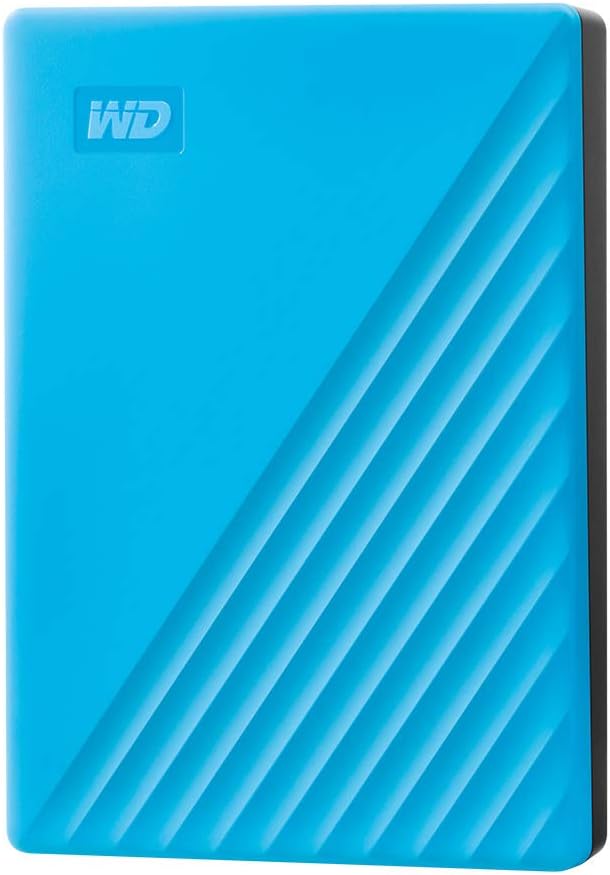
Best for: Perfect for users needing high-capacity storage for extensive media libraries.
Pros
Cons
Frequently Asked Questions
What is the most reliable external hard drive brand?
Seagate and Western Digital (WD) are the two dominant manufacturers and both produce reliable drives across their product ranges. WD's My Passport and My Book lines are consistently well-reviewed for home use. Seagate's Backup Plus and Expansion lines offer similar reliability at competitive prices. Backblaze's annual hard drive reliability reports (based on millions of drive-hours in their data centres) show that reliability varies more by specific model than by brand. Checking recent reviews for the exact model before purchasing is worthwhile.
What external hard drive capacity do I need?
For backing up a typical home computer with documents, photos, and software, 1-2TB is sufficient for most households. If you are backing up a large photo or video library, 4TB provides comfortable headroom. For videographers or photographers working with large RAW files, 8TB desktop external drives offer good value per terabyte. A general rule is to have at least 50% more storage than your current data, leaving room for growth without needing another drive for at least two to three years.
Is a portable SSD worth it over a hard drive?
For speed and durability, yes. Portable SSDs are 5-10 times faster than portable HDDs for read and write operations, making them noticeably better for frequent large file transfers. They have no moving parts, so they survive drops and travel much better than spinning drives. The trade-off is cost: a 1TB portable SSD costs two to three times more than a 1TB portable HDD. For video editors, photographers, and anyone who regularly moves large files between devices, the speed improvement makes the price worth it.
How should I back up my computer to an external drive?
Windows includes File History and Backup and Restore (Windows 7) tools that automate backups to an external drive. On Mac, Time Machine handles this natively. For more control, software like FreeFileSync or Macrium Reflect (Windows) creates scheduled incremental backups. Plug the drive in weekly or monthly, let the backup run, then disconnect and store the drive safely. Do not leave an external drive permanently connected, as it becomes vulnerable to the same ransomware attacks that could affect your main computer.